“We will stay away from those who go against the trend. Never hold a piece of ice on your hands in a hot summer.” said Chen Yanli.
阅读


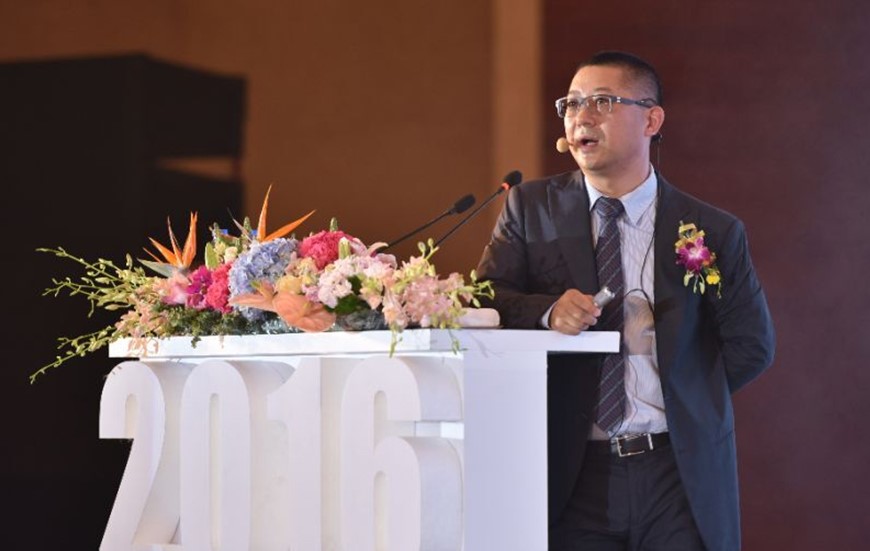
“This may be the golden era for start-ups for the sound policies, social, industrial environment compounded with reform and opening up,” said Zhang Wei, the CEO of CoStone, at the 2016 CoStone Annual Meeting. “Even everyone can’t be as successful as Jack Ma and Pony Ma, it is true that all great companies come from small ones.” 2015’s huge fluctuations in the stock market signal an undergoing structural reform in China’s macro-economy.
阅读


Securities companies predict stock index annually, but they usually fail. Even in May, some of them still banged the drum for a rising stock market. Later in a speech, they said, “as we have predicted”. Well, they just skip all the wrong predictions.
阅读
过去一年,牛市重启,科技领航。
正如我在2024年10月所说的那样,“924”的行情并不是一个反弹,而是一个反转,自那以后,中国资本市场经历了一个从低估到价值回归的过程。
当上证指数来到10年最高点,“易中天”一年翻几倍,“寒王”市值一度突破6000亿,其他科技股也动辄百倍PE、百亿估值,有人贪婪,有人恐惧,还有人问我:科技股存在估值泡沫吗?
我说,这是一个时代的饥渴与焦虑,在资本市场中的投射。如果你理解这一点,你就不会对当前科技投资的热潮感到困惑。
投资与宏观经济无关,但确与地缘政治有关。
中美关系决定了未来几十年的投资,地缘政治极大构建了我们这个时代的饥渴与焦虑,深刻重塑了我们的投资行为。
中国的饥渴与焦虑是什么?第四次工业革命的大幕已然开启,第三次工业革命的短板却还未补齐,时不我待!
所以当有人疑惑,为什么国产算力芯片企业,技术难以望英伟达之项背,却有这么高的估值?为什么英伟达的PE只有50倍,“中国版英伟达”却有300倍?
我说,逻辑刚好反了,正是因为短期内追不上英伟达,这些企业才被赋予了更高的战略性定价,而且差距越大,战略价值越高。越得不到越饥渴,越追不上越焦虑,如果有一天,我们的算力芯片完全突破了,估值反倒会下来。
中国最美的自然风景在哪里?我认为很大一部分分布在横断山脉及其周边,梅里雪山、玉龙雪山、贡嘎山、四姑娘山、九寨沟等等都在这里。巨大的落差,结构性断裂,形成了壮丽的风景。
硬科技投资就是这样,技术代差、能力断点、体系缺口——难度的跃迁,带来了估值的跃迁,成功之后也将带来回报的跃迁。
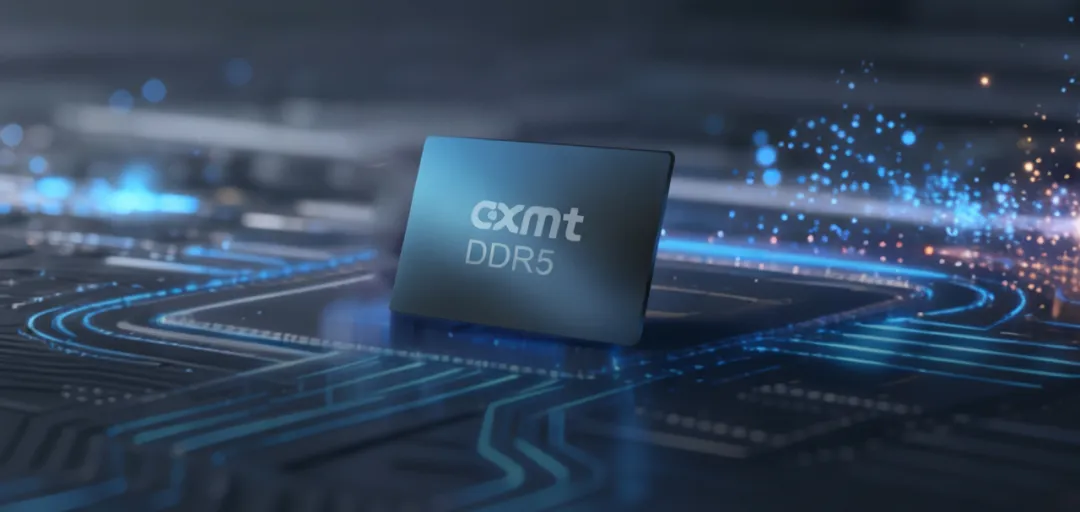
这一逻辑,除了算力芯片领域,在存储芯片、商业航天等中国与外国差距比较大的领域,也都有所体现。
正因如此,从2016年开始,基石资本就果断将投资重点聚焦到硬科技、新兴产业和生命科学与健康三个领域——在这个语境下,“硬科技”特指那些与美国有代差的重要产业。
得益于这样的前瞻性,基石资本很早就在半导体、人工智能和机器人等关键领域实现了全产业链布局。
展望未来,科技进步与产业升级是无尽的前沿,硬科技产业差距的缩小亦无法一蹴而就,技术创新和国产替代的双重机会之窗才刚刚打开,任重道远,未来可期。
作为投资机构,基石资本将继续投身于每个时代的饥渴与焦虑,顺着时代的张力前行,向最难、也最重要的方向延伸。